Mattress protectors and toppers: which do you need, and what is the difference?
27th Aug 2026
|
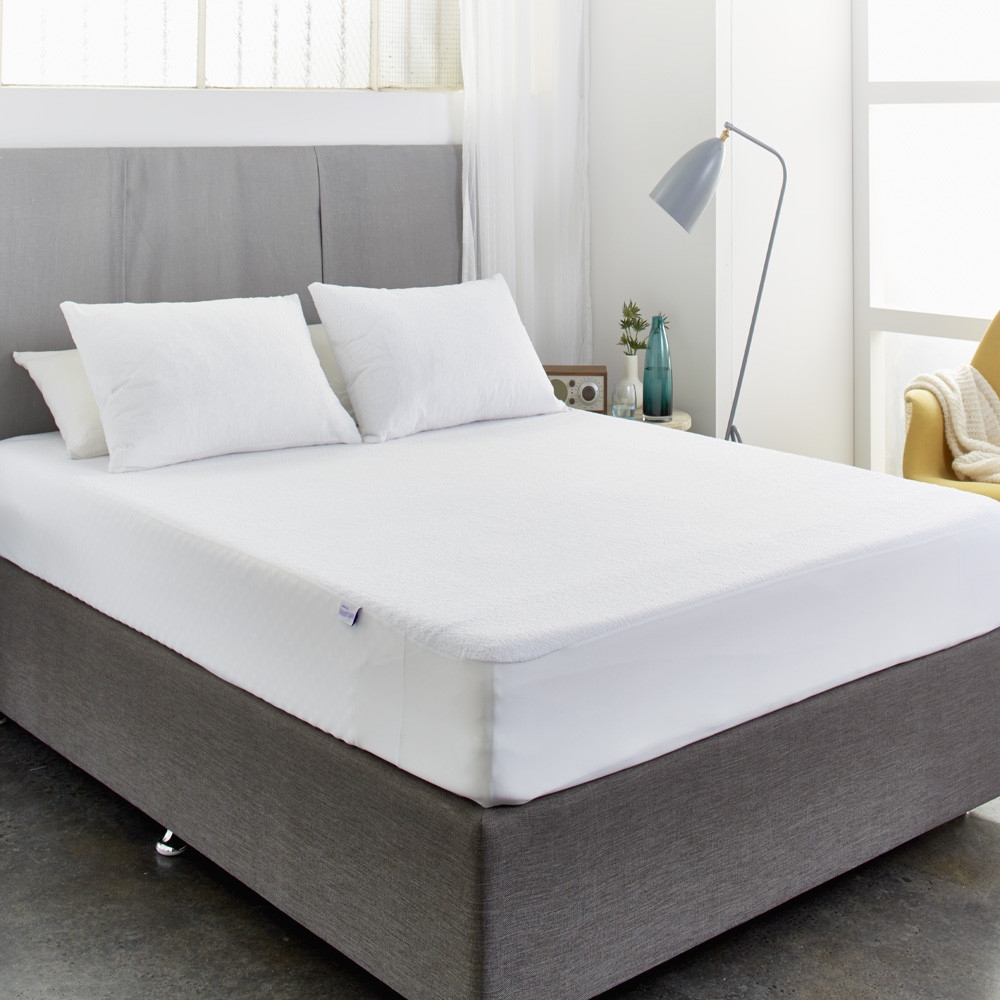
Protector, topper, underlay, overlay: the bedding aisle throws a lot of similar-sounding words at you, and it is easy to end up with the wrong one on your bed. The difference is actually pretty simple. A mattress protector keeps your mattress clean and dry, a thin washable layer that guards against spills, sweat and stains. A mattress topper changes how the bed feels, a thicker cushioned layer that makes it softer, firmer or warmer. One protects, the other adds comfort, and plenty of people happily use both. Below, we sort out which your bed actually needs.
Protector or topper? The difference in plain English
They sound similar and they both sit on your mattress, but they do quite different jobs.
| Mattress protector | Mattress topper | |
|---|---|---|
| Main job | Protects the mattress from spills, sweat, stains and dust | Changes how the bed feels for comfort |
| Thickness | Thin, sits almost unnoticed | Thick and cushioned |
| Changes the feel? | Barely, if at all | Yes, softer, firmer or warmer |
| Usually washable? | Yes, most are machine washable | Some are, foam ones often are not |
| Best for | Everyone, to keep the mattress clean and hygienic | Anyone wanting more comfort or warmth |
You will also see the words overlay and underlay in New Zealand. An underlay, such as a wool underlay, is really a type of topper that adds a soft, warm layer on top of the mattress. If a product is about comfort and warmth, treat it like a topper. If it is about keeping the mattress clean, treat it like a protector.
Mattress protectors: the main types and who they suit
A protector is one of those small buys that quietly saves you money, since it stands between everyday life and an expensive mattress. Here are the main styles in our protectors and toppers range.
Waterproof protectors
The workhorse of the range. A waterproof mattress protector shrugs off spilt drinks, night sweats and the little accidents that come with kids and pets, while still feeling like a normal soft layer under your sheet. They are the obvious choice for children's beds, guest rooms and anyone who likes a cuppa in bed. We also stock more specialised options such as washable bed pads and bed-wetting protection for extra peace of mind.
Everyday cotton and quilted protectors
If your main goal is a clean, fresh mattress rather than full waterproofing, a breathable quilted or cotton protector adds a soft, launderable layer that catches dust and dead skin. Wash it with your sheets and your mattress stays much nicer for much longer.
Cooling protectors for hot sleepers
Run warm at night? A cooling protector or cooling bed pad helps draw heat away so you are less likely to wake up too toasty. It pairs well with the rest of our cooling bedding if summer sleep is a struggle in your house.
Protectors, dust mites and allergies
Here is a plain-spoken note worth reading. Mattresses, pillows, carpets and other soft furnishings can all harbour dust mites and the allergens they produce, since the mites feed on the skin we naturally shed and like warm, humid spots. Dust mite allergens are one of the most common triggers for allergic asthma, eczema and rhinitis. A washable protector helps by giving you a launderable barrier that keeps the sleeping surface cleaner. It is worth being clear about one thing though: a standard protector is not automatically the same as a fully enclosed, dust-mite-resistant encasement. For a diagnosed dust mite allergy, the Australasian Society of Clinical Immunology and Allergy (ASCIA) recommends allergen-resistant covers that fully enclose the mattress and pillows, plus washing bedding weekly in hot water where the care label allows. If that sounds like your household, it is worth talking to your doctor and treating a protector as one helpful step rather than a cure.
Do not forget the pillows
Pillows collect just as much as mattresses do, so a set of pillow protectors under your pillowcases finishes the job. They are an easy, low-cost add-on that most people overlook.
Mattress toppers: the main types and who they suit
A topper is the fastest way to change how your bed feels without buying a whole new mattress. Our mattress toppers and pads come in a few main fills, each with its own personality.
- Wool. A New Zealand favourite. Wool toppers and underlays add gentle warmth in winter, breathe well so you do not overheat, and naturally wick moisture. Lovely if your room runs cold. One caveat: if you have a diagnosed dust mite allergy, get allergy-specific advice first, since clinical guidance such as ASCIA's suggests removing woollen underlays in that situation.
- Feather and down. The plush, sink-in option. A feather and down topper softens a bed that feels too firm and gives that hotel-style cloud on top.
- Memory foam. Contours to your body and eases pressure on hips and shoulders, which side sleepers in particular tend to love. Bear in mind foam holds a little more heat and usually is not machine washable.
- Microfibre and polyester. The affordable, easy-care all-rounder. Washable, soft, and a good pick if you want feather-style softness without feathers.
A topper is a smart move if your mattress feels too firm, your room is cold, you are dressing a guest bed, or you simply want a comfort lift. One honest caveat though: a topper freshens up a tired mattress, but it will not rescue one that is genuinely worn out or sagging. If your mattress has had its day, it may be time to look at a new bed or mattress. We dug into the comfort side of this in our earlier post on how mattress toppers make your bed more comfy.

Do you need one, both, or neither?
The simple rule of thumb: a protector earns its place on almost every bed, because it is a small spend that guards a big one. Add a topper on top when comfort or warmth needs a nudge. If you go for both, a common approach is to put the topper on the mattress for comfort, then a fitted protector over the top, then your sheet, so the surface you actually sleep on stays clean and easy to wash. Just check the protector is deep enough to fit securely over both the mattress and the topper, and follow the care instructions that come with each product.
One question we get constantly at this time of year: can you use an electric blanket with a waterproof protector? The short answer is yes. We covered the how and the order of layers in our guide to using an electric blanket with a waterproof mattress protector.

Getting the size and the care right
Match the protector or topper to your bed size, and check the depth if you have a deep or pillow-top mattress, since a standard fitted skirt may not reach. New Zealand bed sizes vary a little between makers, so measure if you are unsure. For care, follow the label: most protectors machine wash easily, while foam toppers usually need spot cleaning or airing rather than a spin in the machine. Our care guide has the general rules of thumb.
Shop protectors and toppers at queenb
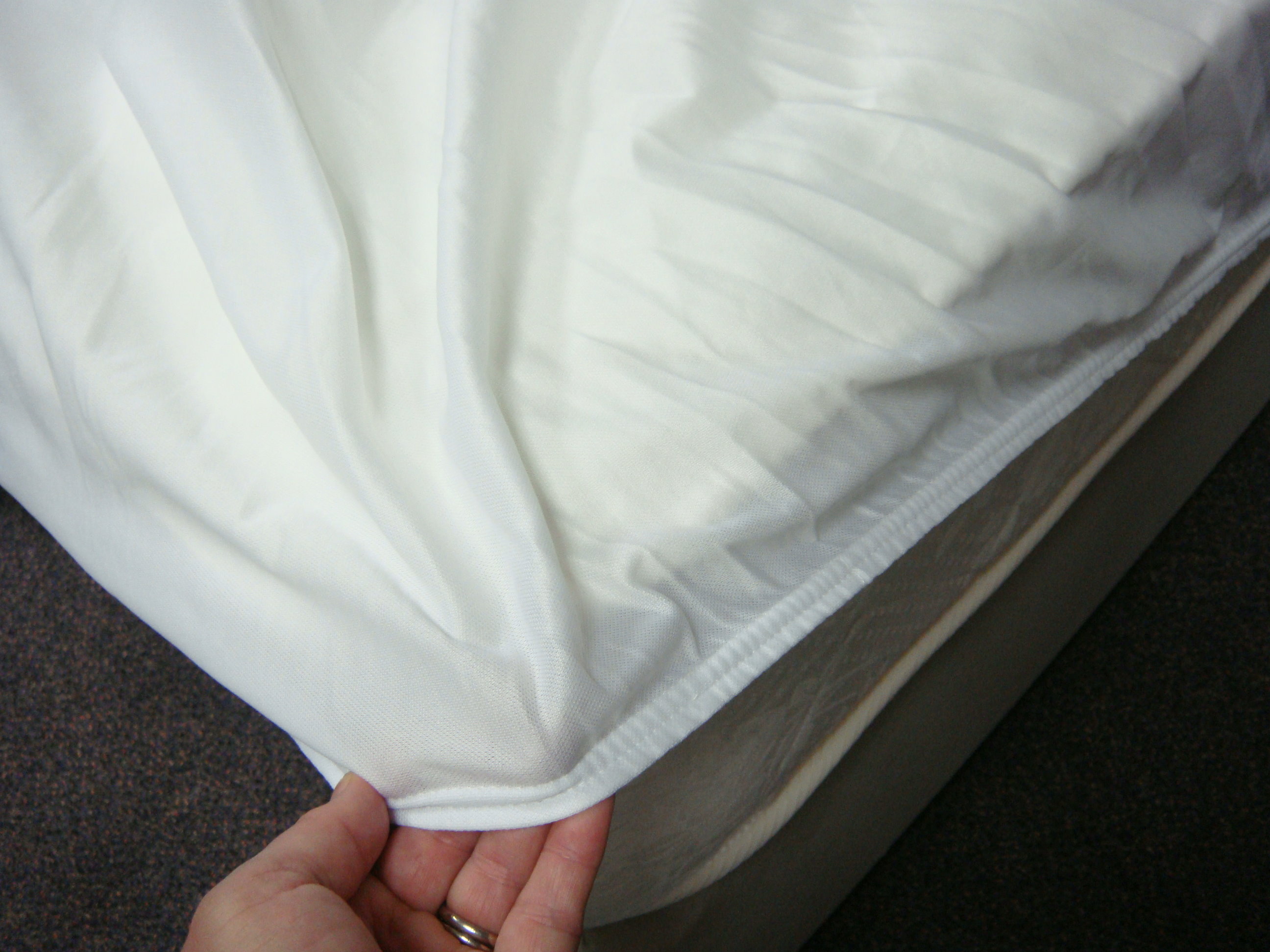
Whether you need a simple waterproof protector to guard a new mattress or a cosy wool or feather topper to transform an old one, you will find the full range in our protectors and toppers department. Shipping is free on NZ orders over $100, and you can spread the cost with Afterpay if you would rather.
Frequently asked questions