
What Material Should I Buy for My Duvet Cover? A Complete Guide 2025
16th Oct 2025
Choosing the right duvet cover material may seem simple, but it has a significant impact on your sleep quality, bedroom comfort, and even your overall health. With so many fabrics available, like cotton, linen, bamboo, silk, polyester, and blends, deciding which one suits your lifestyle can be confusing.
The shifting weather in Auckland makes fabric selection crucial for all-season comfort. With years of experience in bedding and home comfort, team brings you this detailed guide on duvet cover fabrics. This guide will walk you through the best duvet cover materials, their pros and cons, and tips for choosing the right one for your needs.
Why Choosing the Right Duvet Cover Material Matters
A duvet cover is more than just a decorative layer. It directly affects your comfort and sleep environment.
Comfort and Breathability
Some fabrics trap heat, while others allow air circulation. Choosing breathable materials like cotton, linen, or bamboo can keep you cool at night in warmer regions like the upper North Island and Auckland
Body temperature drops 1 or 2°C at night, so breathable fabrics enhance deep sleep.
Durability and Longevity
A high-quality duvet cover should last for years with proper care. Fabrics like linen and cotton are known for their durability, while polyester offers strength at a lower price.
Ease of Washing and Maintenance
If you have children, pets, or a busy lifestyle, low-maintenance fabrics like polyester or cotton blends are ideal. Silk, on the other hand, requires delicate care.
Suitability for Different Seasons
Different fabrics perform better in different climates. For example, linen and bamboo are cooling, while l/brushed 100% cotton provides extra warmth in winter.
Factors to Consider When Choosing Duvet Cover Material
Climate and Temperature
Choose a duvet cover material based on your local climate. Cotton and linen are breathable for hot weather, while flannel or provides warmth in colder seasons.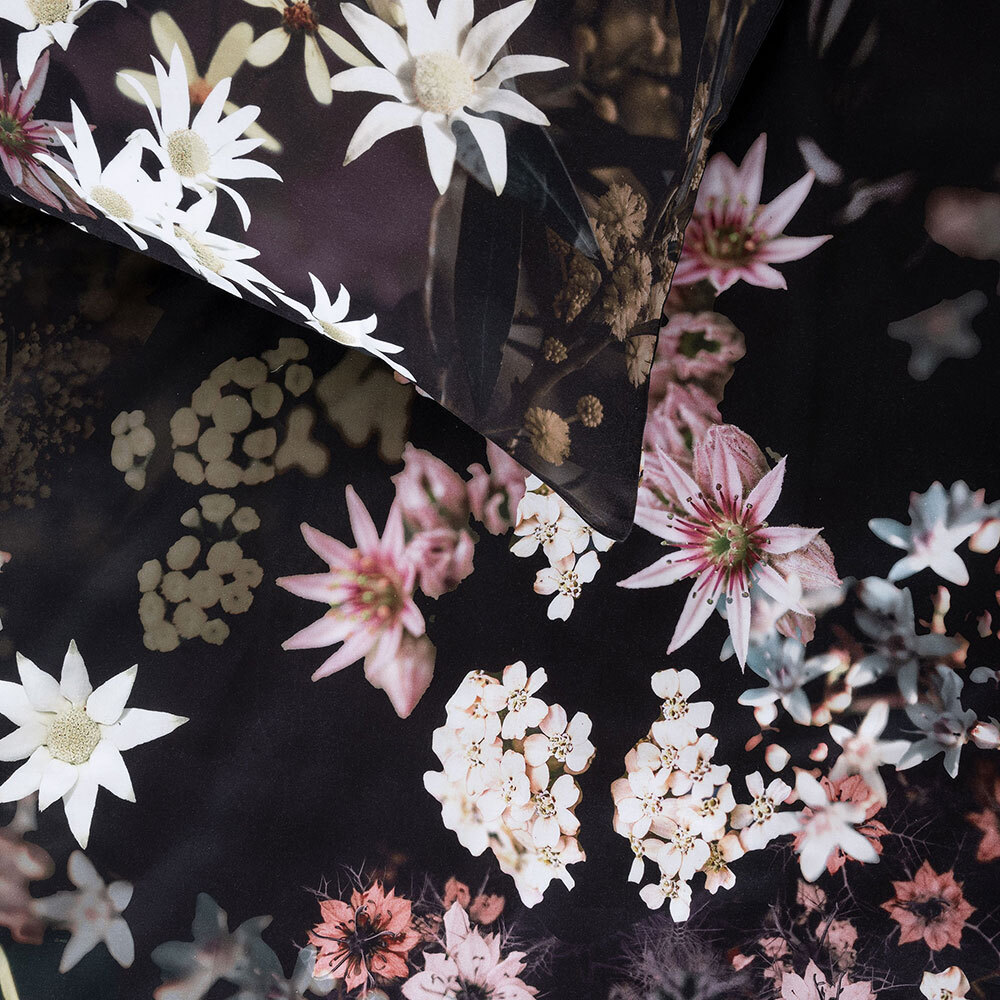
Since Auckland and much of New Zealand often experience cooler winters and mild, humid summers, choosing the right fabric makes all the difference in comfort throughout the year.
Allergies and Sensitivities
If you have allergies or sensitive skin, opt for hypoallergenic materials like organic cotton or bamboo, which are soft and resistant to dust mites.
Care and Maintenance
Consider how easy the material is to wash and maintain. Cotton and microfibre are machine-washable, while silk and linen may need special care.
Budget
Your budget plays a key role. Cotton are affordable, while silk and high-thread-count Egyptian cotton are luxury options.
Popular Duvet Cover Materials Explained
1. Cotton - Soft, Breathable, and Versatile
Cotton is the most common and all-time favourite material for duvet covers. It's soft, breathable, and available in a variety of weaves such as percale (crisp) or sateen
Egyptian Cotton: Known as the king of cotton, it offers luxury softness and long-lasting durability.
Pima Cotton: Softer than standard cotton but more affordable than Egyptian.
Organic Cotton: A sustainable choice, perfect for eco-conscious sleepers.
2. Linen - Luxury Feel with Natural Cooling
Linen is a premium choice that gets softer with every wash. It's highly breathable and moisture-wicking, making it perfect for hot sleepers.
3. Bamboo - Eco-Friendly and Hypoallergenic
Bamboo fabric is growing in popularity for its softness and sustainability. It's naturally hypoallergenic and great for sensitive skin.
4. Silk - Smooth, Elegant, and Great for Skin
Silk duvet covers add luxury and a smooth feel against the skin. They're also good for reducing friction, which benefits hair and skin health.
5. Polyester - Affordable and Wrinkle-Resistant
Polyester is a budget-friendly, durable option. It's not as breathable as natural fabrics, but it is easy to maintain.
6. Blends (Cotton-Poly, Linen-Cotton, etc.)
Blended fabrics combine the benefits of natural and synthetic For example, cotton-poly blends are softer than pure polyester but easier to maintain than 100% cotton.
7. Flannel - Warm and Cosy for Winter Nights
Flannel is a type of brushed cotton that feels soft, warm, and slightly fuzzy, making it a favourite for chilly winters like in southern NZ and Australia. It traps heat effectively, keeping you comfortable during cold nights.
8. Tencel (Lyocell) - Eco-Friendly and Moisture-Wicking
Tencel, also known as Lyocell, is a sustainable fabric made from wood pulp. It's smooth, breathable, and excellent at regulating temperature, making it ideal for both warm and cool climates.
A Quick Comparison Table for Duvet Cover Fabrics
Not sure which duvet cover fabric is best for you? This simple comparison table breaks down the key pros and cons so you can quickly see what suits your style, comfort, and budget.
| Material | Pros | Cons |
|---|---|---|
| Cotton | Breathable, durable, affordable, and easy to wash | Can wrinkle, quality varies with thread count |
| Linen | Long-lasting, breathable, elegant texture, softens with every wash | Expensive, wrinkles easily |
| Bamboo | Soft, moisture-wicking, eco-friendly, hypoallergenic | More expensive than cotton |
| Silk | Luxurious, skin-friendly, temperature-regulating | Expensive, delicate, special washing needed |
| Polyester | Wrinkle-resistant, strong, affordable | Less breathable, may trap heat |
|
Blends (Cotton-Poly, Linen-Cotton, etc.) |
Balance of softness and easy care, practical | May lack the full benefits of pure natural fabrics |
| Flannel | Excellent warmth, soft texture, perfect for winter | Too warm for summer, can pill over time |
| Tencel (Lyocell) | Eco-friendly, silky-soft, breathable, moisture-wicking, skin-friendly | Expensive, may wrinkle without blending |
Difference between Duvet Cover Fabrics
Cotton vs. Linen: Cotton is softer and cheaper, while linen is more durable and breathable for hot sleepers.
Bamboo vs. Cotton: Bamboo is better for sensitive skin and eco-friendly buyers, but cotton is more affordable and widely available.
Silk vs. Polyester: Silk is luxurious but high-maintenance, while polyester is practical and budget-friendly.
Eco-Friendly vs. Synthetic: Organic cotton and bamboo are sustainable, while polyester offers cost savings and durability.
Best Duvet Cover Material for Different Needs
Choosing the right duvet cover also depends on your lifestyle and preferences. Here's a quick guide to help you pick the perfect material based on your specific needs:
For hot sleepers: Linen, bamboo, or lightweight cotton are the best choices because they allow maximum breathability and keep you cool at night.
For winter warmth: Flannel cotton or sateen weave cotton works perfectly as they trap heat and feel cosy during colder months.
For sensitive skin: Bamboo, silk, or organic cotton are ideal since they are gentle, hypoallergenic, and naturally soft.
For families and kids: Cotton or polyester blends are the most practical options because they are durable, affordable, and easy to wash frequently.
For luxury bedrooms: Silk or high-thread-count cotton offers an elegant, smooth feel and brings a touch of sophistication.
For pet owners: Blends or fabrics are recommended as they resist snags from claws and withstand frequent washes.
Duvet Cover Sizes and Dimensions
Choosing the right duvet cover size ensures your bedding fits properly and looks neat. Below is a quick reference table with common sizes, their dimensions, and the best uses. Keep in mind that dimensions may vary slightly depending on the brand, especially in New Zealand and Australia, so always check the product label before purchasing.
| Size | Dimensions (cm) | Best Use |
|---|---|---|
| Single | 140 × 210 | Perfect for kids’ beds or college dorms |
| King (Single) | 180 × 210 | Suitable for single adults or smaller beds |
| Queen (Double) | 210 × 210 | Most popular and versatile size |
| King | 245 × 210 | Great for couples who want extra space |
| Super King (NZ) | 265 × 210 | Oversized option for maximum coverage |
| California King (AU Super King) | 270 × 240 | Larger, wider – common in Australia |
| California King (variant) | 285 × 210 | Sometimes used as Cal King sizing |
If your mattress is extra deep or you use a topper, consider sizing up to ensure full coverage and comfort.
NZ & AU Bedding Sizes VS International:
Bedding sizes in New Zealand and Australia can differ slightly from US or UK standards. For example, an AU Queen duvet cover is usually around 210 x 210 cm, while a NZ Super King often measures 265 x 210 cm. Both are smaller than the US versions. Because of these differences, always double-check local sizing charts before buying, especially if you shop from international stores.
Care and Maintenance Tips by Material
-
-
- Cotton duvet covers are easy to maintain since they're machine washable and actually get softer with every wash, making them ideal for everyday use.
- Linen requires a bit more care; wash it in cool water and air-dry whenever possible. Natural wrinkles are part of its charm, giving it a relaxed look.
- Silk needs delicate handling. It should be hand-washed or washed on a gentle cycle, and strong detergents should be avoided to preserve its smooth texture.
- Polyester is the most low-maintenance option. It's machine washable, wrinkle-free, and dries quickly, making it a practical choice for busy lifestyles.
-
Hidden Buyer Mistakes
-
-
- Many buyers focus on thread count alone, forgetting that thread quality and weave matter more for softness and durability.
- Another mistake is not matching the cover with the insert; for instance, breathable cotton suits down inserts better than microfibre.
- Cheap fabric blends may seem cost-effective, but often pill quickly, leaving bedding rough and worn in just a few months.
-
Final Thoughts: How to Choose the Right Duvet Cover Material for You
The best duvet cover material depends on your sleeping habits, budget, and lifestyle: Cotton is the best overall choice, offering a perfect balance of comfort and price. For hot sleepers, linen or bamboo provides cooling and breathability. Those with sensitive skin benefit most from silk or bamboo, thanks to their gentle and hypoallergenic qualities. Families often prefer cotton blends or polyester since they are durable and easy to maintain. For a touch of luxury, silk or high-thread-count cotton makes the most elegant option.
When in doubt, cotton is the safest and most versatile choice, but if you're looking for something special, consider upgrading to linen, bamboo, or silk. Browse our full duvet collection.
Frequently Asked Questions
▶ What duvet cover material lasts the longest?
Linen and high-quality cotton are the most durable.
▶ Is linen worth the price compared to cotton?
Yes, if you want luxury and breathability, linen is worth the investment.
▶ Which fabric is best for summer vs. winter?
Linen and bamboo for summer, flannel cotton for winter.
▶ Are bamboo duvet covers really eco-friendly?
Yes, bamboo grows quickly without pesticides, making it sustainable.
▶ What's the most budget-friendly option?
Polyester and cotton-poly blends are affordable and the easiest to wash.
▶ Do duvet cover materials affect allergies?
Yes. Bamboo and organic cotton are hypoallergenic, ideal for Kiwi and Aussie homes.
▶ Do I need to iron my duvet cover?
Not really, linen and microfibre look great without ironing.